

What is Black Hat SEO ? ( 9 Tactics You Must Avoid)

Understanding what is Black Hat SEO is essential for anyone serious about online growth. Picture this, in the old Western movies, the villains were often recognized by their black hats, setting them apart from the heroes. Similarly, in the world of digital marketing, Black Hat SEO refers to unethical practices that aim to manipulate search engine rankings, often at the expense of long-term success. While these tactics might offer quick gains, they come with significant risks. Search engines like Google are constantly evolving, and they don’t hesitate to penalize sites that break the rules, potentially leading to severe ranking drops or even complete removal from search results. Such penalties can devastate your online presence and credibility, making it clear that cutting corners is never worth the price.
Understanding what is Black Hat SEO
Understanding what is Black Hat SEO is vital for anyone navigating the digital landscape. These unethical tactics might offer short-term wins but can lead to severe penalties from search engines, ultimately harming your website’s credibility and visibility.
What Is Black Hat SEO ?
If you’re wondering what is black hat SEO, then Black Hat SEO is a term used to describe unethical strategies designed to manipulate search engine rankings by violating established guidelines. These tactics often prioritize quick gains over long-term success, aiming to deceive search engines like Google into ranking low-quality or even harmful websites higher in search results. While such methods might deliver temporary boosts in visibility, they come with significant risks. Search engines have become increasingly sophisticated in detecting these manipulative practices, and the consequences can be severe, ranging from hefty penalties to complete removal from search engine indexes. Ultimately, Black Hat SEO is a short-sighted approach that undermines the integrity of your website and can severely damage its reputation and credibility in the digital world.

Gray Hat vs. White Hat vs. Black Hat
White Hat SEO represents the most ethical and sustainable approach to search engine optimization. It involves adhering strictly to search engine guidelines and focusing on strategies that improve user experience and provide valuable content. Techniques like optimizing meta tags, improving site speed, and building quality backlinks are typical white hat practices. For example, creating high-quality blog posts that naturally attract backlinks is a classic white hat strategy, ensuring long-term success without the risk of penalties.
Learn more what Is white hat SEO in our guide to get a detailed explanation and steps on how to practice it.
Black Hat SEO, on the other hand, employs aggressive tactics that often violate search engine rules in the pursuit of quick gains. These methods can result in significant penalties or even a site ban if detected. Common black hat practices include keyword stuffing, cloaking, and using private link networks. An example of black hat SEO is hiding keywords on a webpage by making the text the same color as the background, which manipulates search engines but offers no real value to users.
Gray Hat SEO falls between these two extremes, blending both ethical and risky tactics to achieve faster results without immediately triggering penalties. While not strictly against search engine guidelines, gray hat techniques tread a fine line that could lead to issues if not managed carefully. Examples of gray hat SEO include purchasing expired domains with existing authority to boost rankings or slightly modifying content to target additional keywords. These strategies can enhance visibility quickly but require careful oversight to avoid crossing into black hat territory.
Learn more about gray hat SEO in our guide to get a detailed explanation and steps on how to practice it.
The Disadvantages of Black Hat SEO
Engaging in Black Hat SEO might seem like a quick path to higher rankings, but the drawbacks far outweigh any short-term benefits. Here are some key disadvantages that can significantly impact your website and business:
- Severe Penalties: Search engines like Google actively penalize websites that engage in Black Hat SEO, which can result in a dramatic drop in rankings or even complete removal from search results.
- Loss of Credibility: When users realize that your website employs unethical tactics, your brand’s reputation can suffer, leading to a loss of trust and credibility among your audience.
- Short-Lived Success: Black Hat SEO tactics may provide an initial boost, but these gains are typically unsustainable as search engines continually update their algorithms to detect and penalize manipulative practices.
- Financial Costs: Recovering from penalties or rebuilding a tarnished reputation can be costly, both in terms of time and money, as you may need to invest heavily in corrective SEO measures or brand rehabilitation.
- Legal Risks: In some cases, Black Hat SEO practices can lead to legal action if they involve trademark infringement, defamation, or other unlawful activities.
While Black Hat SEO might offer quick wins, the long-term consequences can be devastating, making it clear that ethical, sustainable SEO practices are the wiser choice for lasting success.
While there are many types of SEO, If you’re committed to the long-term growth and success of your website, focusing solely on white-hat SEO practices is essential for ensuring consistent, sustainable traffic over time.
Check out our guide if you want to Learn about what are the types of SEO that exists.
8 Common Black Hat SEO Tactics
In your efforts to understand what is Black SEO, it’s crucial to recognize common black hat tactics that can harm your website’s ranking and reputation. These methods aim to game search engine algorithms but can lead to penalties or even de-indexing.
1. Keyword Stuffing
Keyword Stuffing is the practice of overloading your content with an excessive amount of keywords, attempting to manipulate a site’s ranking. You’ll often find these keywords in lists or out of context, reducing the quality and readability of your content.
2. Cloaking
Cloaking involves showing different content to search engines than what you present to your users. This tactic can deceive search engines to rank content for irrelevant queries, leading to a poor user experience.

3. Use of Invisible Text and Hidden Links
Some sites might put white text on a white background or position text off-screen. These hidden texts and links are meant for search engines to crawl, while remaining invisible to users, another manipulative practice.
4. Sneaky Redirects
Sneaky Redirects take you to a different URL than the one you initially clicked on. This tactic can be used to redirect search engines to one page and users to another, typically to present content to users that wouldn’t rank as well.
5. Link Schemes
Engaging in Link Schemes means participating in ways to acquire backlinks that don’t follow quality guidelines, such as Buying Links or using Link Farms. This includes excessive link exchanges or using automated programs to create links to your site.
Remember to avoid these black hat strategies to ensure your SEO approach remains ethical and effective.
6. Using PBNs
Using Private Blog Networks (PBNs) is a classic Black Hat SEO tactic that involves creating a network of websites to artificially boost the ranking of a target site through backlinks. While PBNs can temporarily increase your site’s position in search results, they are easily detected by search engines and can lead to severe penalties, including the de-indexing of your entire site. Engaging in this practice risks not only your current rankings but also the long-term credibility of your online presence.
7. Automatically Generated and Duplicate Content
Automatically generated and duplicate content are common Black Hat SEO tactics used to inflate a website’s volume of content without adding real value. Automatically generated content often involves using software to create low-quality, keyword-stuffed articles that lack relevance and coherence. Duplicate content, on the other hand, involves copying existing material from other websites or recycling your own content across multiple pages. Both practices are easily identified by search engines and can result in significant penalties, such as lower rankings or complete removal from search results, ultimately harming your site’s reputation and effectiveness.
8. Misleading Structured Data
Misusing structured data and rich snippets is another Black Hat SEO tactic aimed at deceiving search engines and users by providing misleading or false information. Structured data is meant to help search engines understand your content better, but when manipulated, it can create rich snippets that appear more appealing or relevant than they actually are. This can lead to a temporary boost in click-through rates, but once detected, search engines may penalize your site by reducing its visibility or removing rich snippets altogether. Such deceptive practices undermine trust and can severely damage your site’s long-term credibility and performance.
The Risks of Black Hat SEO
Understanding what is Black Hat SEO is crucial because while these tactics might seem like a quick way to boost your site’s visibility, they come with significant risks. From harsh penalties to long-term damage, the consequences for those who attempt to manipulate search engine results can be severe and lasting.
Penalties and Bans
If you’re caught using deceptive techniques, Google may issue a penalty. This is often the result of an algorithm update designed to identify and punish Black Hat SEO practices. Penalties range from a temporary drop in rankings to being banned entirely from search results, which can be disastrous for your online presence.
In more severe cases, repeated or egregiously manipulative strategies can lead to your site being banned. Should this happen, your domain will no longer be indexed, which equates to becoming invisible on the search engine.
Impact on Rankings and Traffic
Black Hat SEO may offer a temporary boost, but its long-term impact on rankings and traffic can be detrimental.
- Ranking Drops: Engaging in Black Hat SEO can yield a quick boost in rankings. However, as search algorithms become more sophisticated, the likelihood of sustaining high rankings with these tactics diminishes. Once penalized, your site can suffer a sudden and substantial loss in traffic.
- Traffic Decrease: Traffic to your site may dwindle significantly due to lost rankings, which directly impacts the number of potential customers finding your business. This decrease can be steep and often difficult to recover from, especially if the trust from search engines and users has been eroded.
Ultimately, the use of these tactics can lead to a sharp decline in both rankings and traffic, making recovery challenging and damaging your site’s overall success.
Long-Term Repercussions
The long-term repercussions of Black Hat SEO extend far beyond immediate penalties, affecting both your brand’s reputation and its standing in the industry.
- Reputation Damage: Black Hat SEO can tarnish your brand’s reputation, with users and search engines alike. Restoring trust after being labeled a manipulator is a challenge and requires considerable time and effort to rebuild credibility.
- Negative SEO: Be aware of Negative SEO from competitors, which includes the use of malicious backlinks and strategies against your site to harm your reputation. It’s critical to monitor your backlink profile regularly to guard against these attacks and maintain the integrity of your SEO efforts.
Repairing the damage caused by these unethical practices can be a lengthy and arduous process, making it crucial to safeguard your SEO efforts from both internal and external threats.
Don’t hesitate to check out our guide to learn more about Negative SEO.

Detecting/ Reporting Black Hat SEO
Knowing what is Black Hat SEO is essential for detecting it, as this involves constant vigilance and a solid grasp of SEO best practices. It’s crucial to differentiate between legitimate SEO strategies and those that violate Google’s Webmaster Guidelines to protect your site from potential penalties.
Monitoring SEO Activities
Staying ahead of black hat methods requires monitoring your site’s SEO activities regularly. This involves:
- Keeping an Eye on Traffic: Sudden spikes or drops in traffic might indicate manipulative SEO tactics.
- Observing Backlink Profiles: A surge in poor-quality backlinks can be a red flag for black hat practices.
- Reviewing Content Quality: Over-optimized content or keyword stuffing are indicators that you need to report.
By tracking these factors, you ensure that your SEO strategy complies with ethical standards and maintains its integrity in the long term.
Tools and Techniques
To detect Black Hat SEO, you need to employ various tools and techniques:
- dentifying and addressing Black Hat SEO tactics is essential to maintaining your website’s credibility and avoiding severe penalties. Here are some powerful tools you can use to detect unethical SEO practices:
- Google Search Console: This tool is invaluable for monitoring your site’s performance and identifying any manual actions taken by Google due to Black Hat SEO practices. Regularly check the “Manual Actions” and “Security Issues” sections to quickly detect and resolve potential problems.
- Google Analytics: Google Analytics offers detailed insights into your website’s traffic patterns. Sudden spikes, drastic drops, or unusual referral sources can signal the presence of Black Hat SEO tactics. Keep an eye on metrics like bounce rate, session duration, and traffic sources to detect suspicious activities.
- Ahrefs: Ahrefs allows you to conduct a thorough analysis of your backlink profile, helping you spot toxic links that may be associated with Black Hat SEO practices such as spammy backlinks or Negative SEO attacks. Regular monitoring of your backlinks with Ahrefs helps maintain your site’s health and detect issues early.
- SEMrush: SEMrush is another robust tool that provides a comprehensive view of your site’s SEO performance. It can help you identify harmful backlinks, track your keyword rankings, and monitor your site’s health. SEMrush also offers an on-page SEO checker, which can reveal any manipulative practices that could harm your site’s credibility.
- Algorithm Updates: Understand changes in search engine algorithms, as they often target black hat SEO tactics.
A systematic approach using the right tools is critical in identifying black hat SEO and taking corrective action to protect your site’s search visibility.
Preventing Black Hat SEO
Understanding what is Black Hat SEO is key to effectively preventing it, as implementing best practices in search engine optimization (SEO) is crucial. Your focus should always be on building long-term value, avoiding the temptation of quick, short-term gains that violate search engine guidelines.
- Utilize SEO Tools: Make use of reputable SEO tools such as the tools mentioned above that can help you track your website’s performance, spot any potential black hat tactics, and ensure that your SEO practices remain white hat.
- Apply Structured Data & Rich Snippets: Adequately structured data helps search engines to understand your content better. Implementing rich snippets can improve the visibility of your pages in search results, but be mindful to follow the guidelines to avoid any semblance of spammy behavior.
- Monitor Your SEO Practice: Regularly review your SEO strategies to ensure they are in alignment with ethical practices. This includes checking for any inadvertent black hat methods that might have been introduced either by neglect or through outdated tactics.
- Creating Quality Content: Consistently produce high-quality, original content that provides real value to your users. This content should be targeted to your audience’s interests and needs, rather than merely being stuffed with keywords to manipulate search rankings.
By maintaining a vigilant and informed approach to SEO, you can protect the integrity of your website and foster a sustainable online presence. Remember, excellent SEO is not about tricking search engines but about partnering with them to provide the best user experience.
If you didn’t understand what is black hat SEO, or you couldn’t detect if your website has potential Black Hat SEO tactics, then we are here to help you. Don’t hesitate to reach out to us.
Need a Digital Solution?
Get in contact now with Experts!
We answer calls 24/7!
Dealing with the Impact of Black Hat SEO
When you find yourself learning what is black hat SEO and grappling with its repercussions, it’s crucial to know there are remedial measures you can take to mitigate damage and restore your website’s standing. The following strategies will help you navigate through the recovery from Google penalties and disavow malicious links effectively. In the following sections, we’ll learn more how we can do that.
Recovery Strategies
In the face of a penalty from Google, reassessing your SEO tactics is paramount. Your first course of action should be conducting a thorough audit of your website content and backlink profile. you can conduct a website audit through Semrush Site Audit.
Simply head over Semrush Site Audit section, Input your URL and choose your preference for crawling.
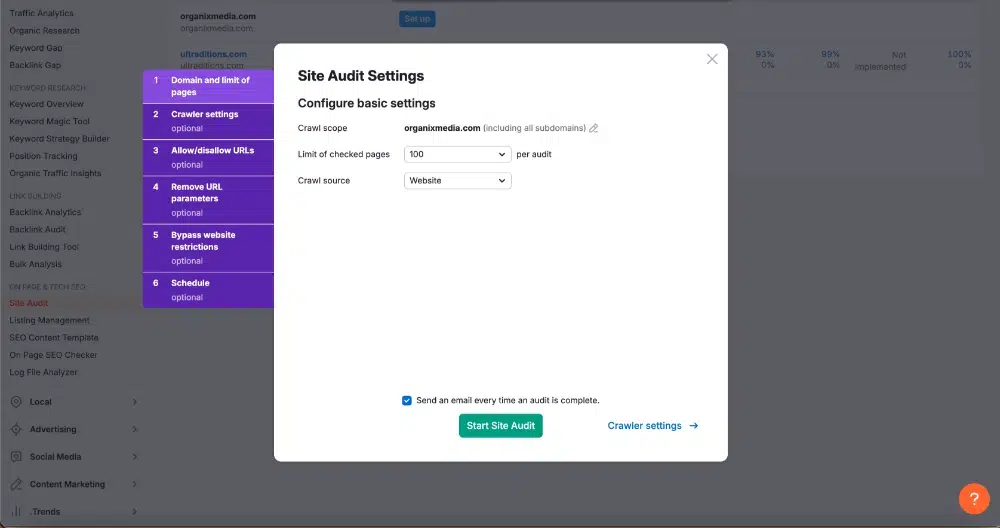
After few minutes you’ll get the results of the crawl which will give you details about every aspect of your website.

Check out the “top issues” section and correct those issues which will make your website healthier, which means you’ll be avoiding Black Hat SEO as well.
Identify any use of keyword stuffing, cloaking, or invisible text that might have incurred the penalty. Upon identifying these issues, remove or revise them immediately to comply with Google’s guidelines.
Recovering your website’s SERPs position requires submitting a reconsideration request to Google after you have made the necessary changes. Be transparent about any Black Hat SEO practices you have discontinued and provide detailed documentation where possible. Remember, recovery takes time, and patience is crucial during this period.
Disavowing Links
As you’re learning what is black hat SEO. Occasionally, your site might be the target of negative SEO, where toxic backlinks are purposefully directed to your site by competitors. Google’s Disavow Links Tool allows you to report these harmful links that you cannot control. To disavow links:
- Accumulate a list of the damaging backlinks.
- Access Google’s Disavow Links Tool.
- Upload a .txt file, containing one URL of the questionable backlink per line.
- Submit it to Google for disavowal.
Keep in mind that disavowing links is a significant step and should be reserved for instances where you’ve ascertained the links are indeed detrimental to your site’s traffic and you’ve exhausted all other remedies, like contacting the webmasters to remove links. Use the disavow tool judiciously, as incorrect usage could potentially harm your site’s performance rather than help it.
Frequently Asked Questions
In this section, you’ll find detailed answers to common queries about the nuances and implications of black hat SEO practices.
What distinguishes black hat SEO techniques from white hat SEO?
Black hat SEO strategies aim to exploit weaknesses in search engine algorithms to gain higher rankings, often disregarding user experience and ethical guidelines. On the other hand, white hat SEO focuses on providing value to the user and complying with search engine policies for sustainable ranking improvements.
Why might a business opt to implement black hat SEO strategies?
Some businesses might resort to black hat SEO strategies for quick, short-term gains in search rankings, especially if they are looking for immediate visibility or are operating in highly competitive niches.
Can black hat SEO practices have long-term benefits for website ranking?
While black hat SEO may yield short-term spikes in traffic, they do not typically result in long-term benefits; search engines frequently update algorithms to penalize or even ban sites using unethical tactics, leading to significant ranking drops.
What are some typical examples of black hat SEO tactics?
Examples include keyword stuffing, cloaking, and using private link networks. Such tactics are designed to deceive search engines and can result in your site being penalized.
How does black hat SEO impact the user experience on a website?
Black hat SEO often prioritizes manipulation of search engine rankings over user experience, leading to content that is not user-friendly, such as spammy or irrelevant links and keyword-stuffed text, which can frustrate and deter your audience.
How do search engines respond to websites that utilize black hat SEO?
Search engines, like Google, use sophisticated algorithms and manual reviews to identify and punish websites that employ black hat SEO, potentially resulting in decreased visibility or removal from search results.
Conclusion
Understanding what is Black Hat SEO and its implications is essential for any website owner or SEO practitioner. While Black Hat SEO might offer short-term gains, the long-term risks of penalties and damage to your site’s credibility make it an unsustainable practice. By focusing on ethical, White Hat SEO strategies, you ensure the longevity and integrity of your online presence, truly answering the question, “What is Black Hat SEO?” and why it should be avoided.
If you didn’t understand what is black hat SEO, or you couldn’t detect if your website has potential Black Hat SEO tactics, then we are here to help you. Don’t hesitate to reach out to us.
Need a Digital Solution?
Get in contact now with Experts!
We answer calls 24/7!


